
- Price from: $9,350.00
- Duration: 14 Days (approx.)
- Location: N'djamena
- Product code: chadmammal
Two week safari tour in Chad with birding and mammals (includes Zakouma)
CHAD WILDLIFE SAFARI AND BIRDING TOUR
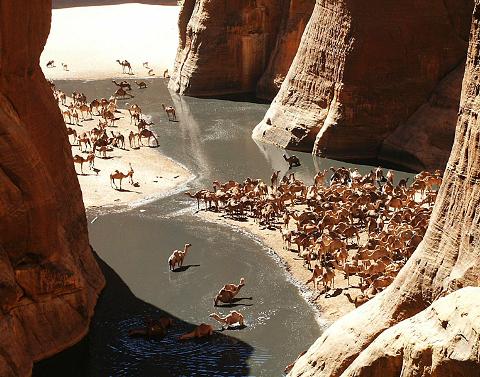
This guided Chad safari tour programme is a two week introduction to Chad’s mammals and birds. We will go overland by 4x4 and will look for migratory and residential birds in the Ouaddi Rimé-Ouadi Achim Faunal Reserve as well as Zakouma National Park.
Day 1: Arrival in N’Djamena
Arrival in Ndjamena, Chad’s capital. Please, bring two pictures per person for immigration formalities. Overnight at the Radisson Hotel and briefing on your guided Chad safari and birding tour.
Day 2: N’Djamena - Moussoro
Morning departure to the Moussoro area and overnight in tented camp.
Day 3: Moussoro - Salal - Beteljena
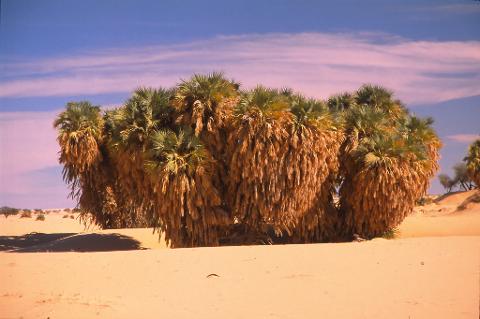
We’ll be crossing the landscape by car and for the next few days we’ll be on the look out for birds in the seasonal wetland basin of the Sahelo-Saharan plains connecting to the Waadi Hiram Valley, a classic arid to semi-arid Sahelo-Saharan landscape in Chad. These zones feature gravel plains, seasonal wetlands (especially after rains), dry wadis (valleys), and sparse vegetation like acacia or shrubs. Birdlife here varies by season: dry periods emphasize resident desert-adapted species, while wetter/rainy seasons or any temporary water attract migratory waterbirds, waders, and Palearctic migrants wintering in the Sahel.
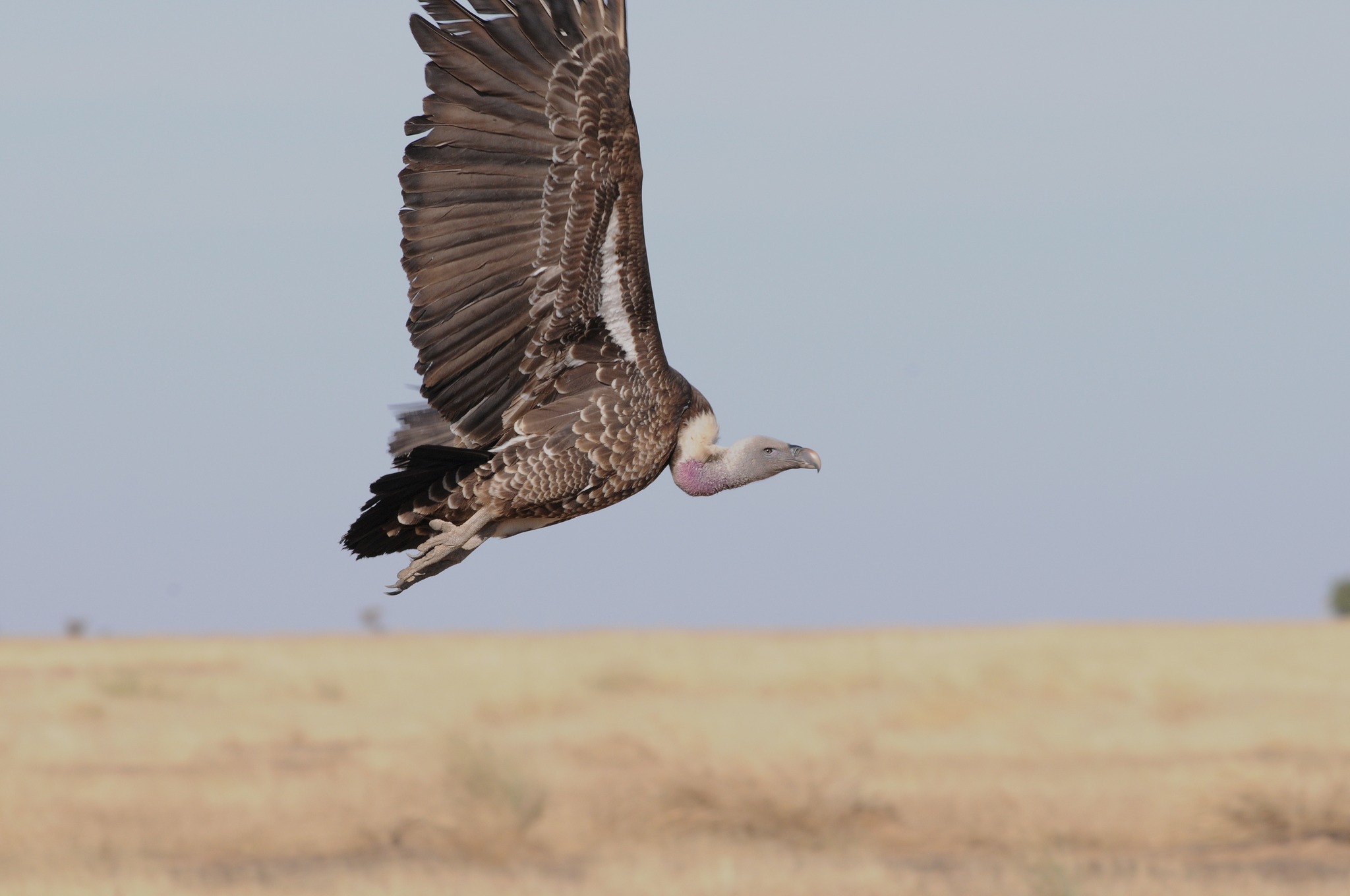
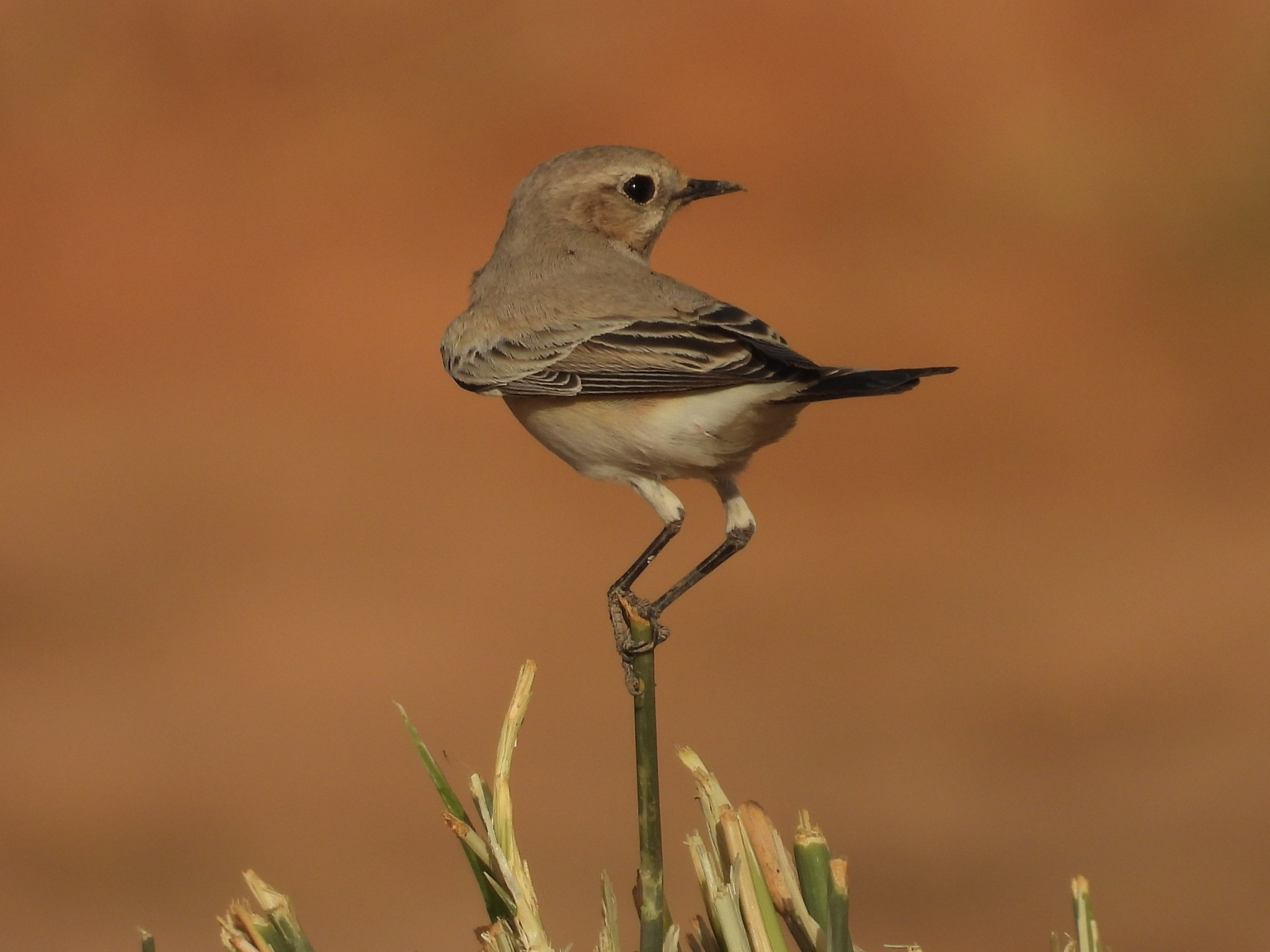
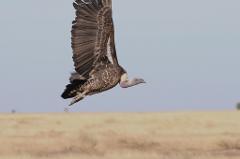
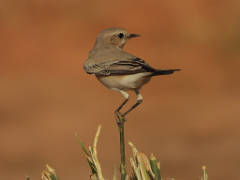
Desert adapted residents: desert lark, bar-tailed lark, Temminck’s lark, White-crowned Wheatear, Desert Wheatear, Black Wheatear, fulvous Babbler, African Silverbill or other small finches, Lanner Falcon and other falcons, Common Kestrel, Egyptian Vulture, Short-toed Snake Eagle or Booted Eagle (migrants/ winter visitors)
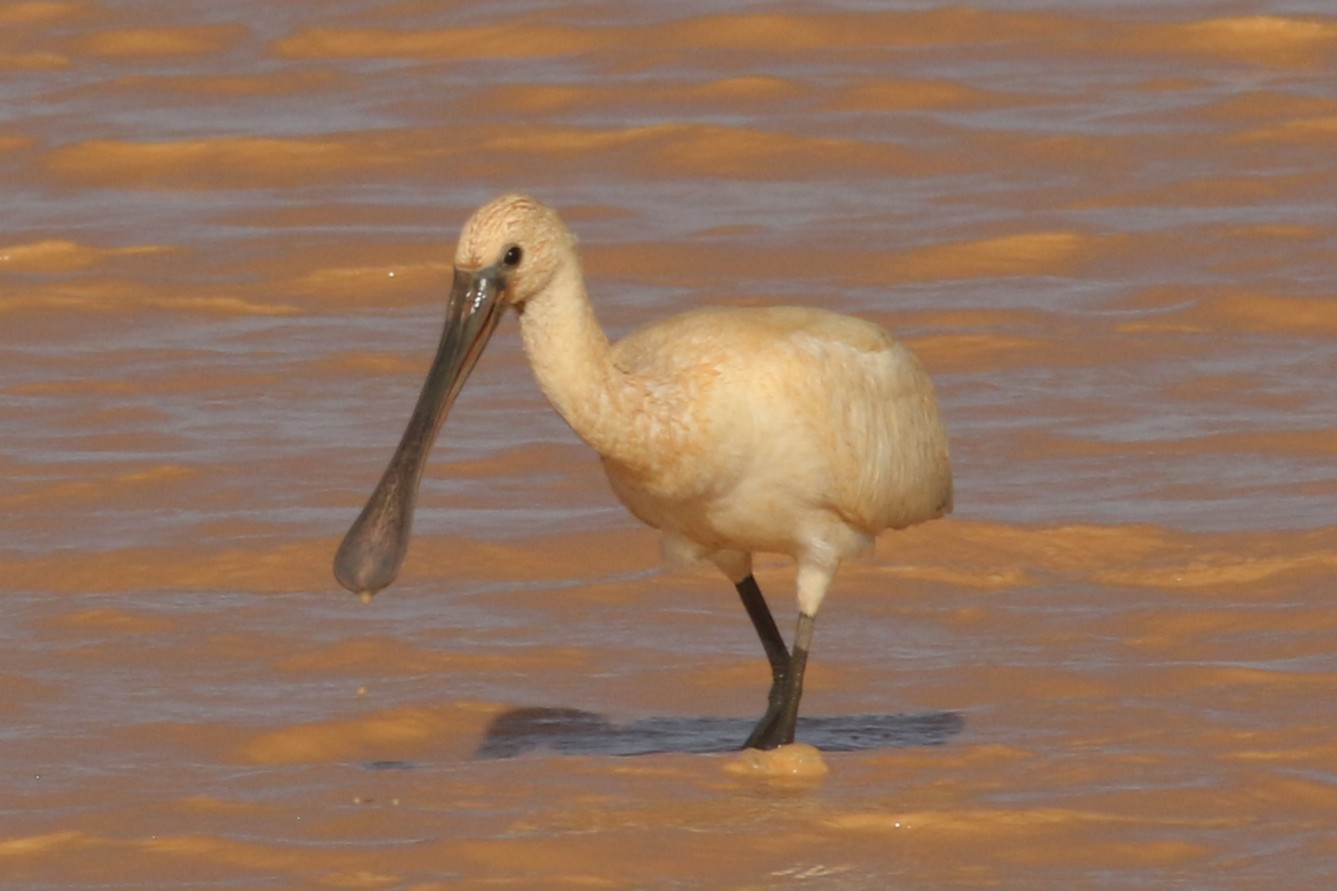
Best around water (post-rain/wet periods): Various waders (sandpipers, plovers, Ruff in large numbers if water persists), Herons/egrets (e.g., Grey Heron, Little Egret), Storks (e.g., White Stork or Abdim's Stork during migration/seasons), Ducks/geese if larger water bodies, Houbara Bustard (rare) Migratory: Northern Wheatear, Whinchat, Various warblers (e.g., chiffchaffs), Flycatchers Swallows and martins over open areas.
We might get a glimpse of dorcas gazelle, patas monkeys or smaller critters like ground squirrels. Overnight in tented camp.
Day 4 -5: Ouaddi Rimé-Ouadi Achim Faunal Reserve Birding Safari Tour
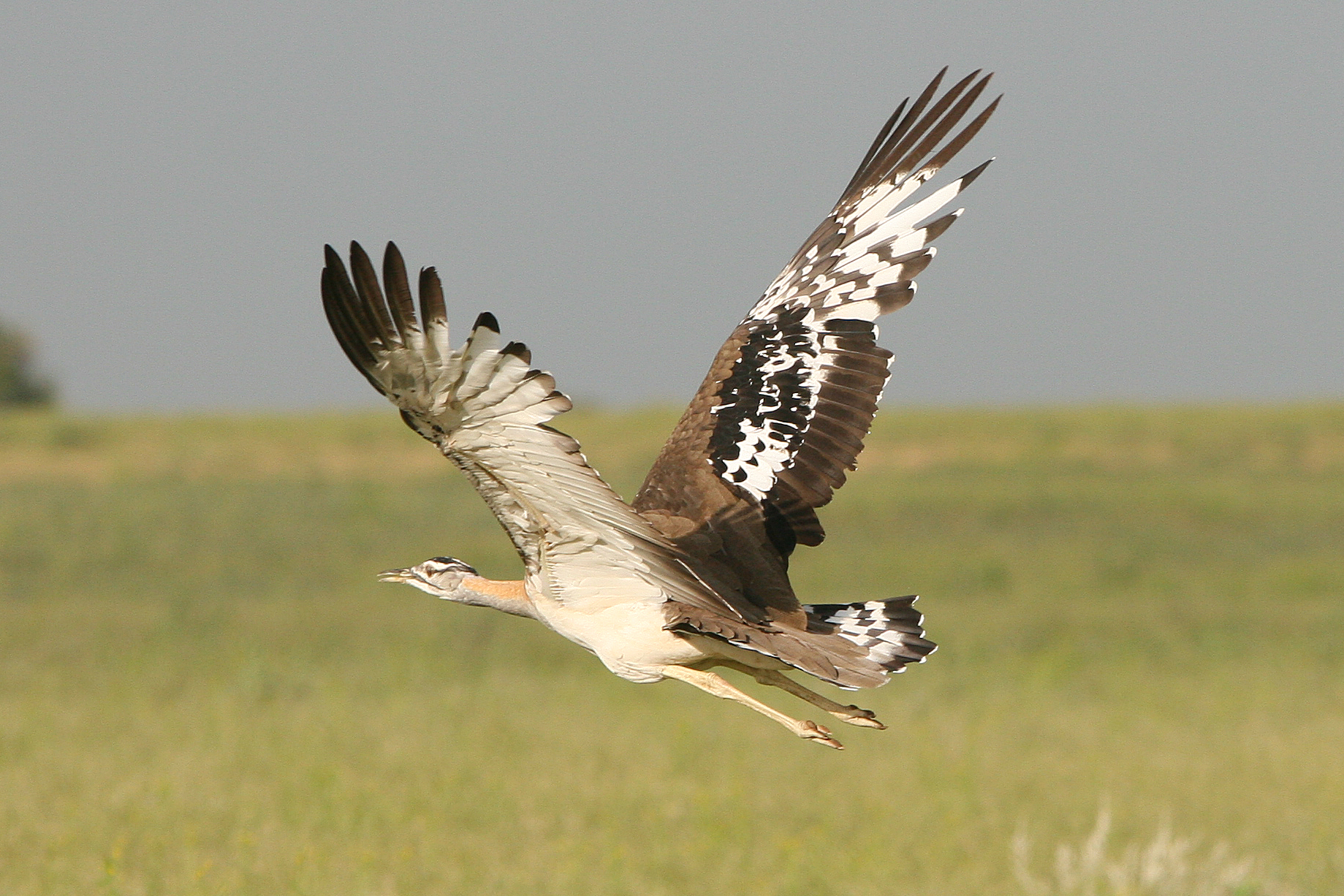
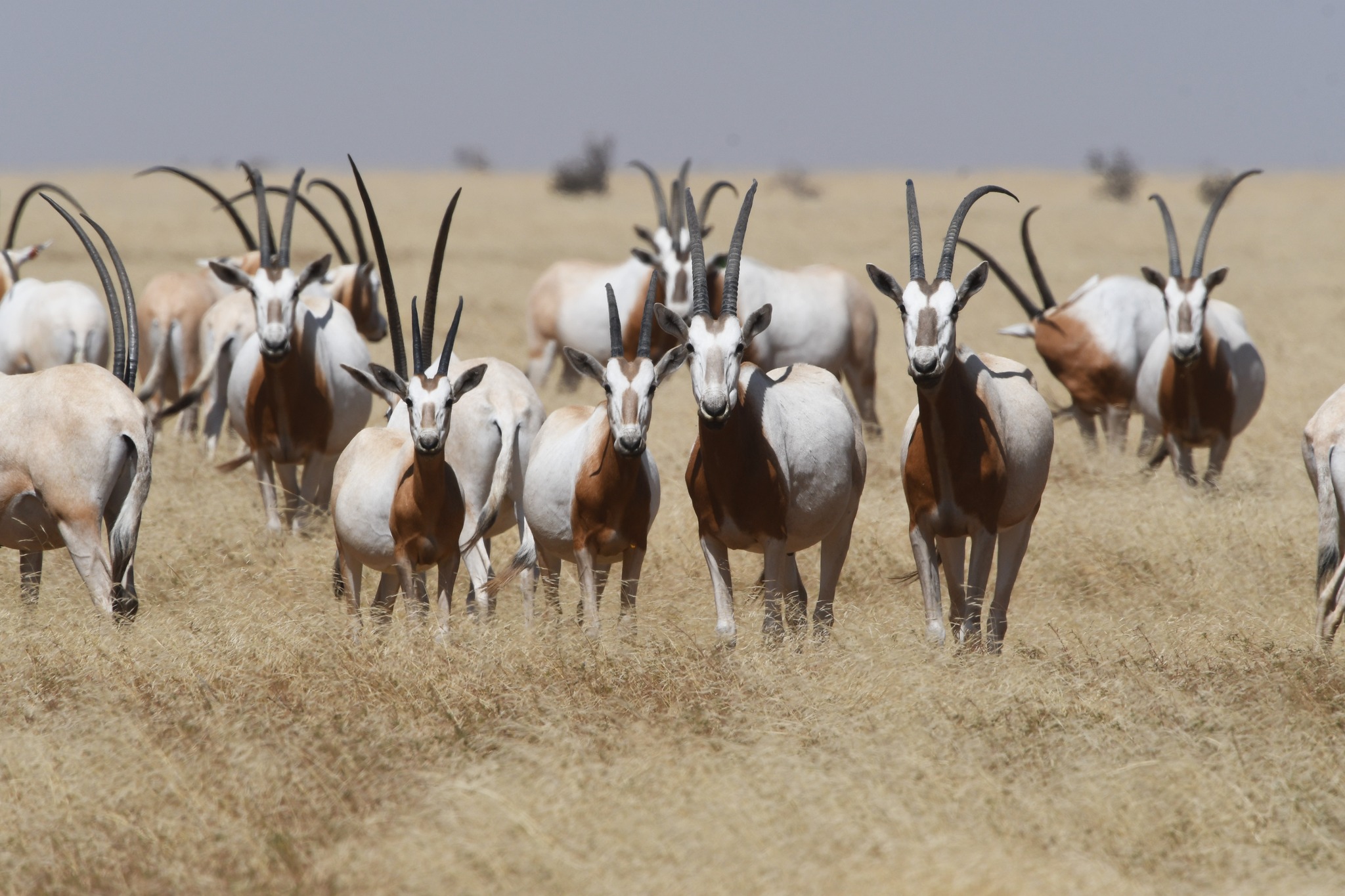
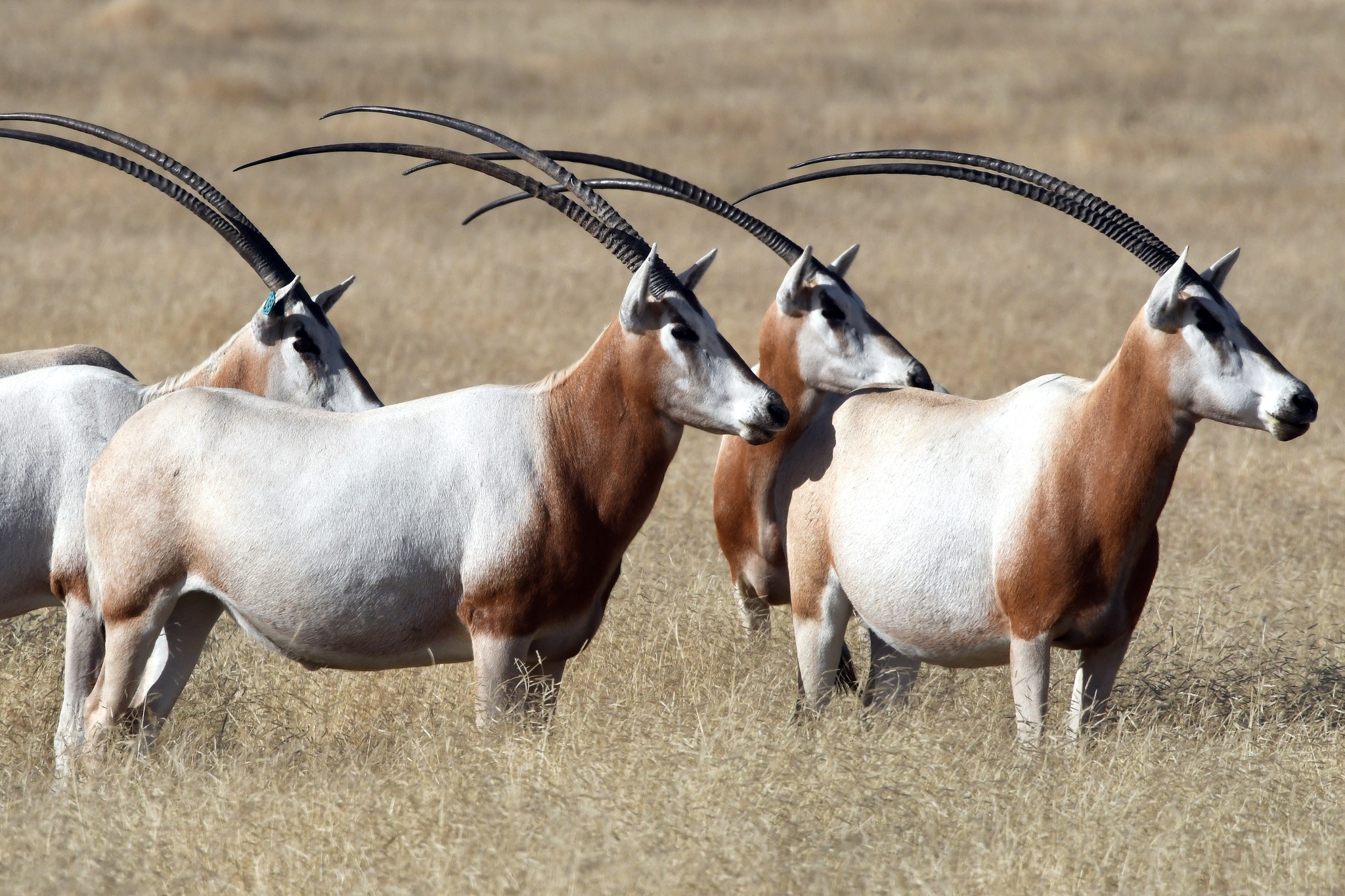
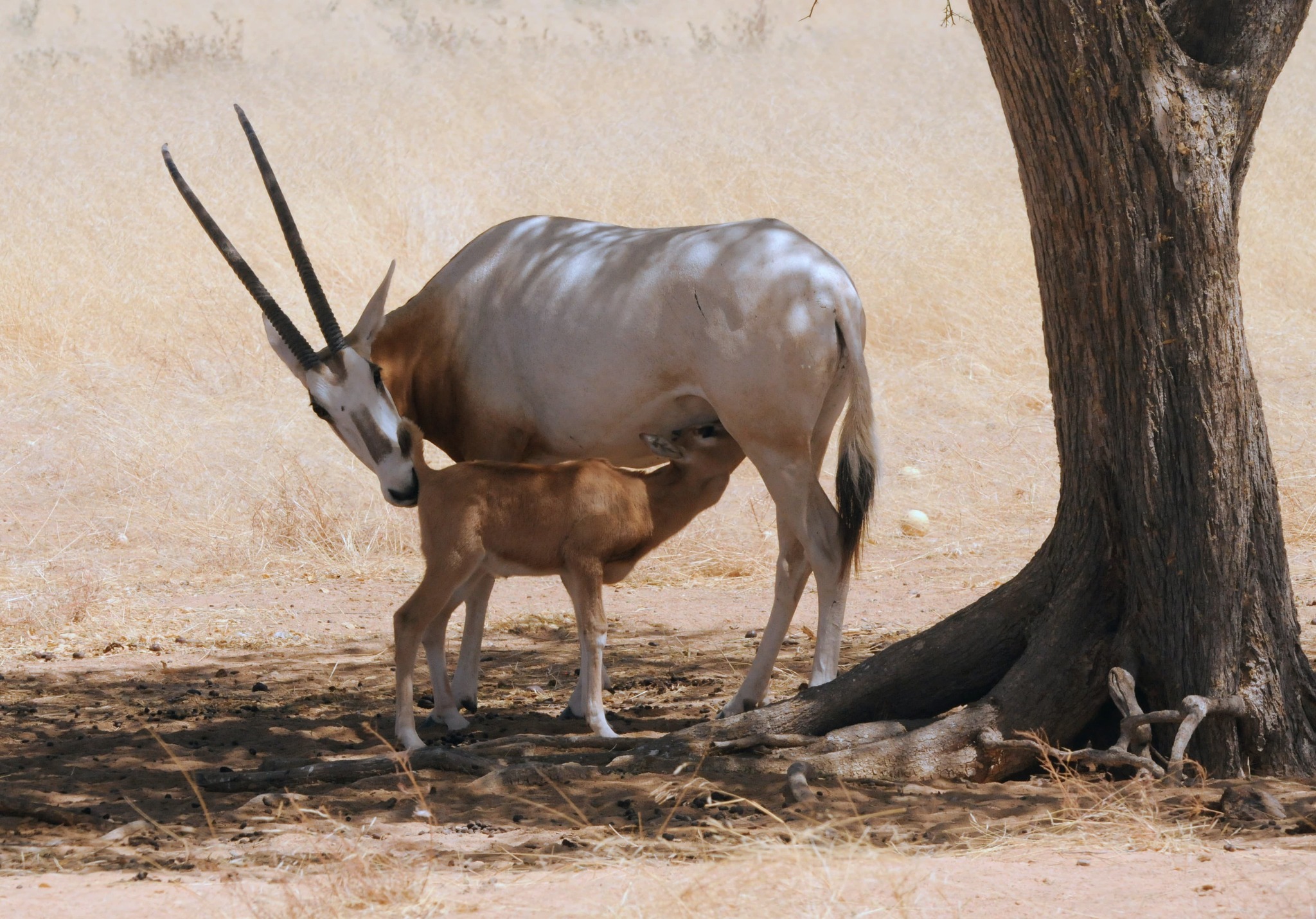
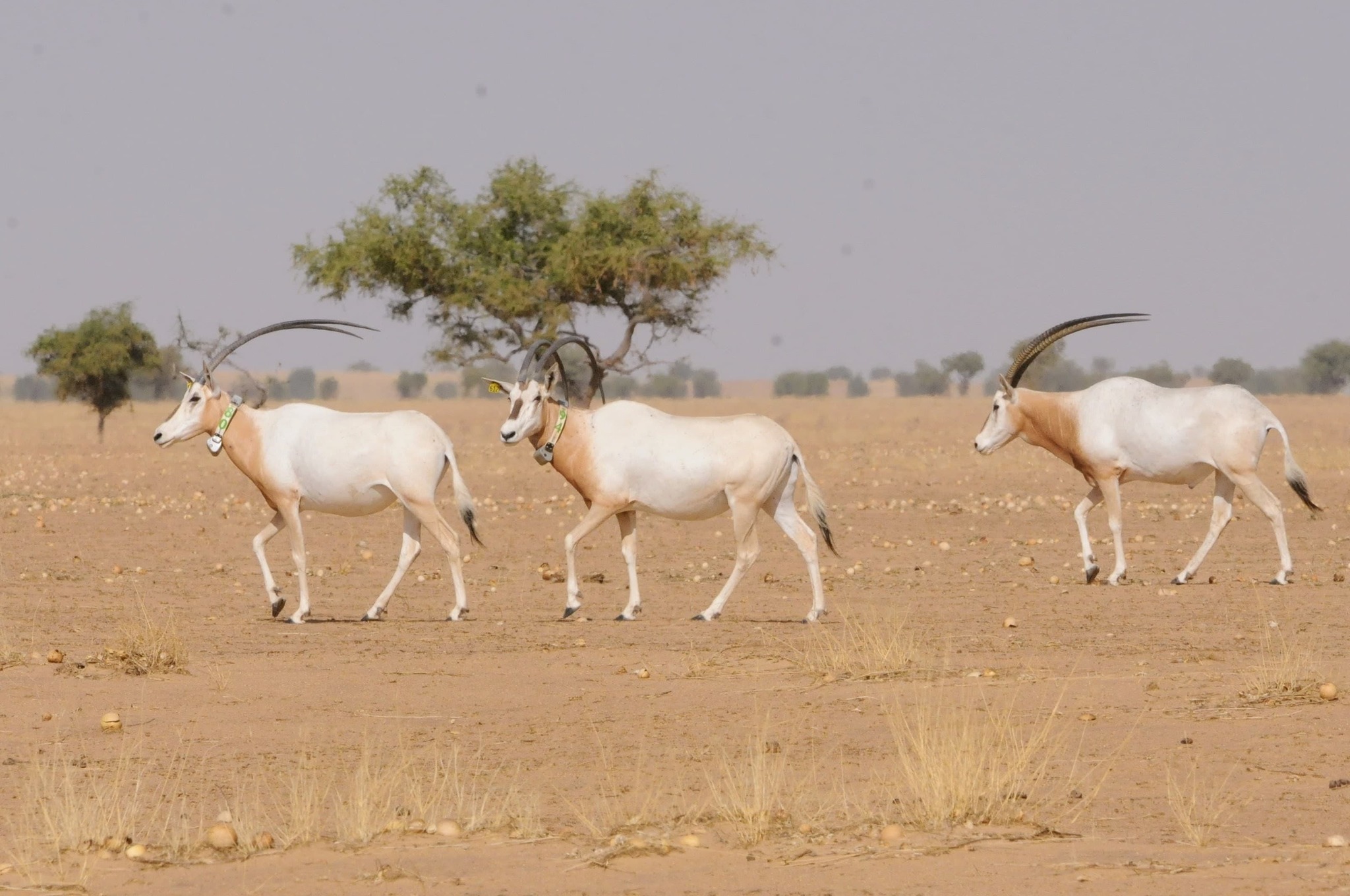
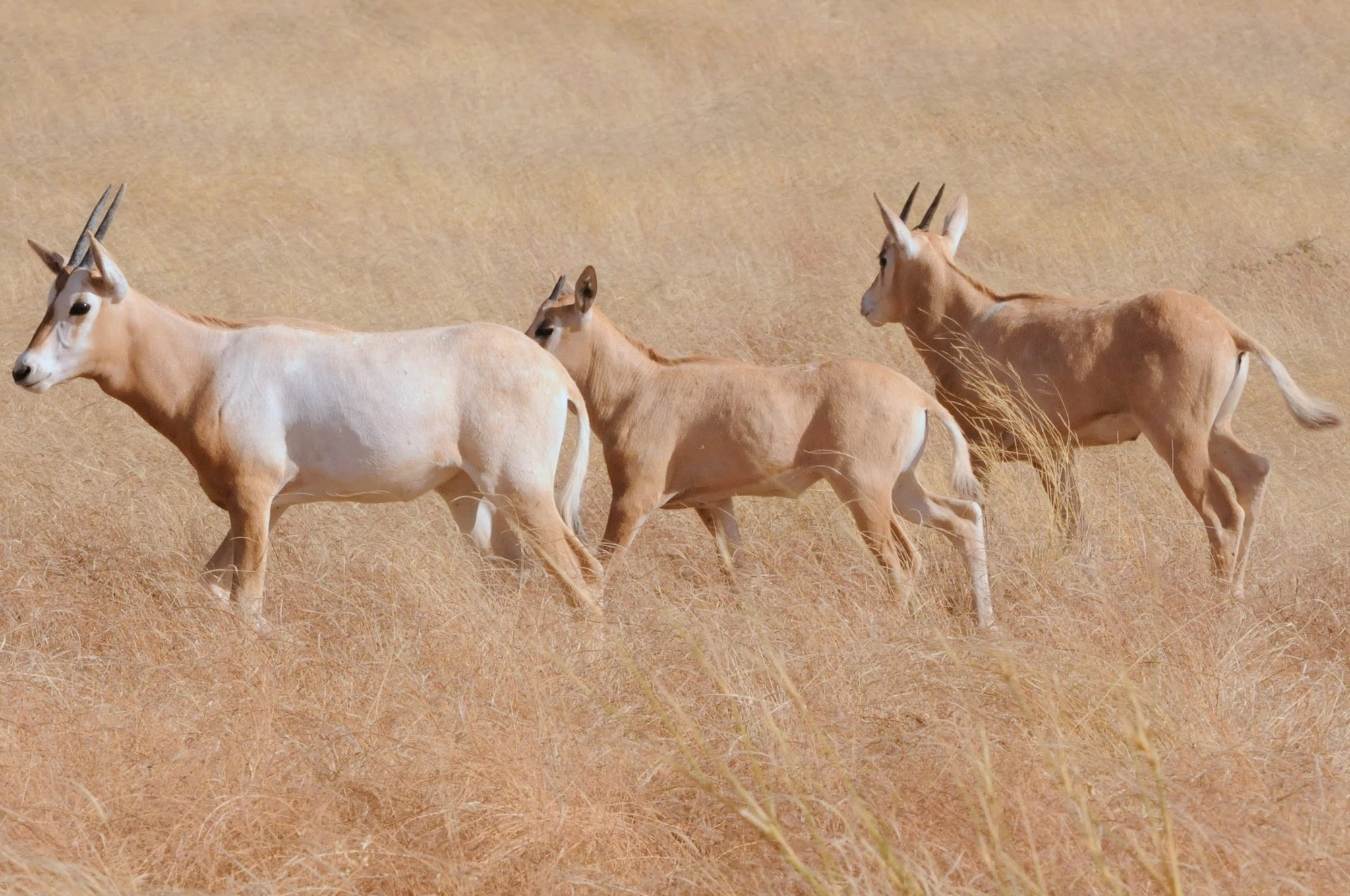
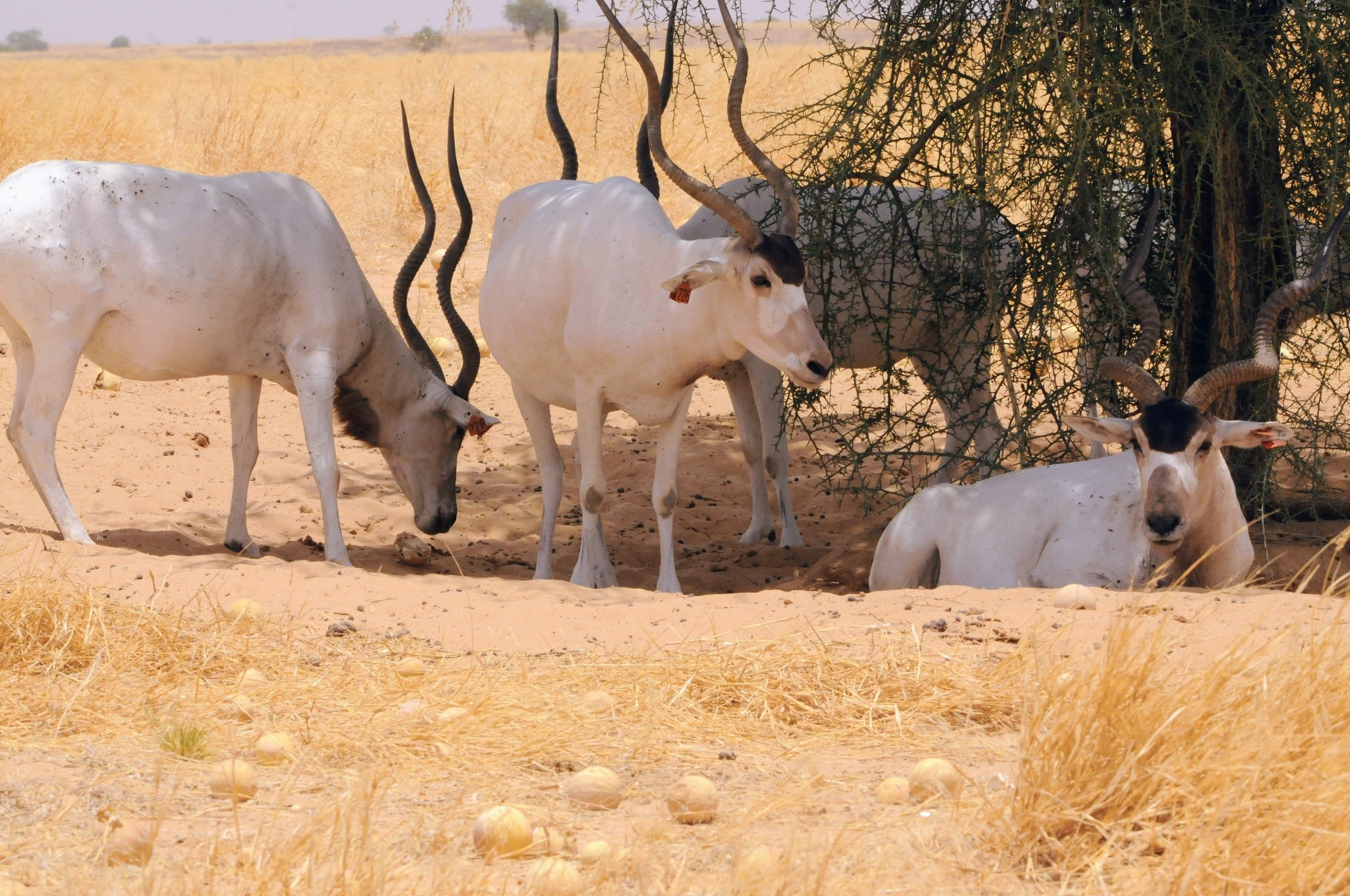
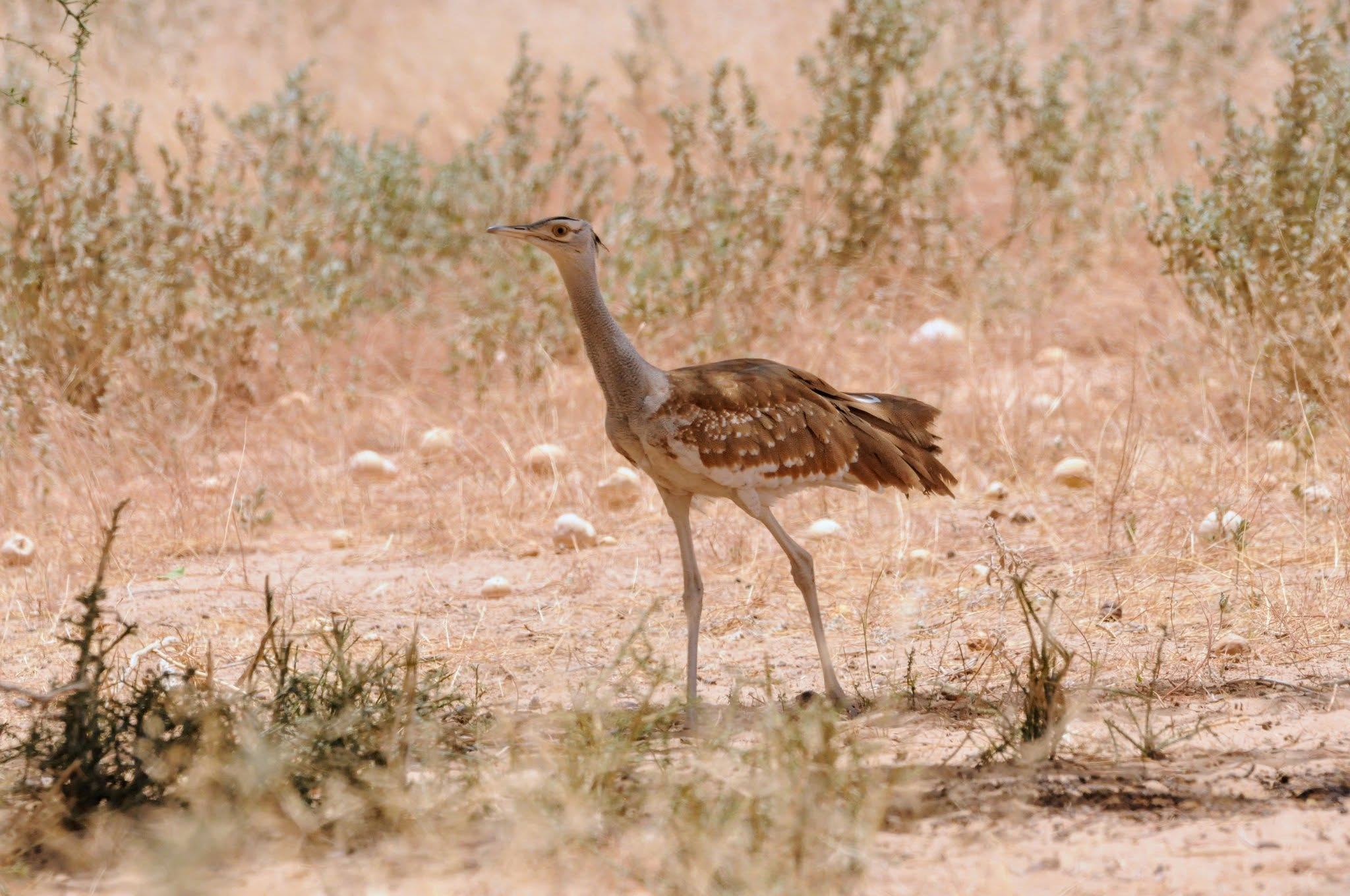
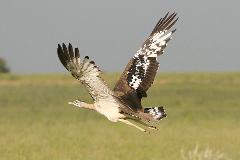
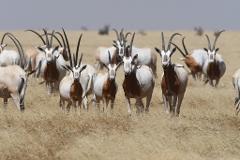
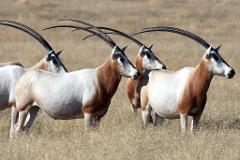
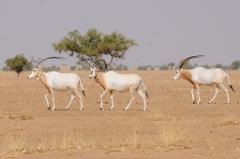
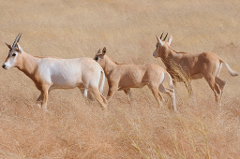
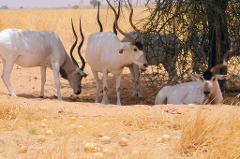
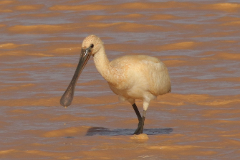
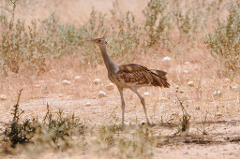
We’ll continue to the Ouadi Rimé-Ouadi Achim Faunal Reserve in central Chad, a key Sahelo-Saharan hotspot for birds, especially with its seasonal wetlands drawing migrants during/after rains. Lookout for the same bird species listed before as well as Little Crake and enjoy large numbers of White Storks, Abdim’s Storks, Marabou, egrets, pelicans, waders, Nubian Bustard, Arabian Bustard, various sandgrouse (Chestnut-bellied, Spotted, Crowned, Lichtenstein's), larks (Desert, Temminck's), wheatears, falcons (Lanner), and nightjars (Egyptian, Golden) and more. We’ll also be looking for mammals such as oryx, addax, dama gazelle, dorcas gazelle, red-fronted gazelle. Overnight at tented camp.
Day 6 - 7: Biltine-Abéché and Oum Hadjer
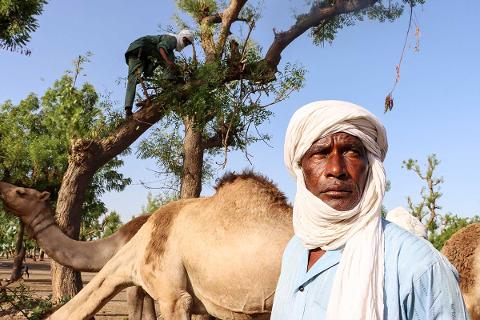
For the next two days we’ll be driving from the Ouadi Rimé area through the pastoral zone of Biltine, Abéché, Oum Hadjer - Mangalmé, the Mongo area via Aboutel Fan mountain, to Abou Deia takes you from classic Sahelo-Saharan arid plains into slightly more Sudanian-influenced savanna and acacia-dotted landscapes in eastern/central Chad. This transition often brings a shift in birdlife: fewer strict desert specialists, more savanna/woodland species, and potential for migrants or residents tied to scattered trees, seasonal water, or human activity (e.g., around villages, wells, or livestock).
We’ll be driving a lot, but during stops keep an eye out for birds like Rusty Bushlark Kordofan Sparrow, Stone Partridge Barbary Partridge, Cream-coloured Courser , Abyssinian Roller, Senegal Thick-knee or Spotted Thick-knee, Four-banded Sandgrouse, Vinaceous Dove, Black-billed Wood Dove, Bruce's Green Pigeon, Red-pate Cisticola, Reichenow’s Firefinch, etc. Overnight in tented camps.
Day 8 - 9: Road to Zakouma National Park
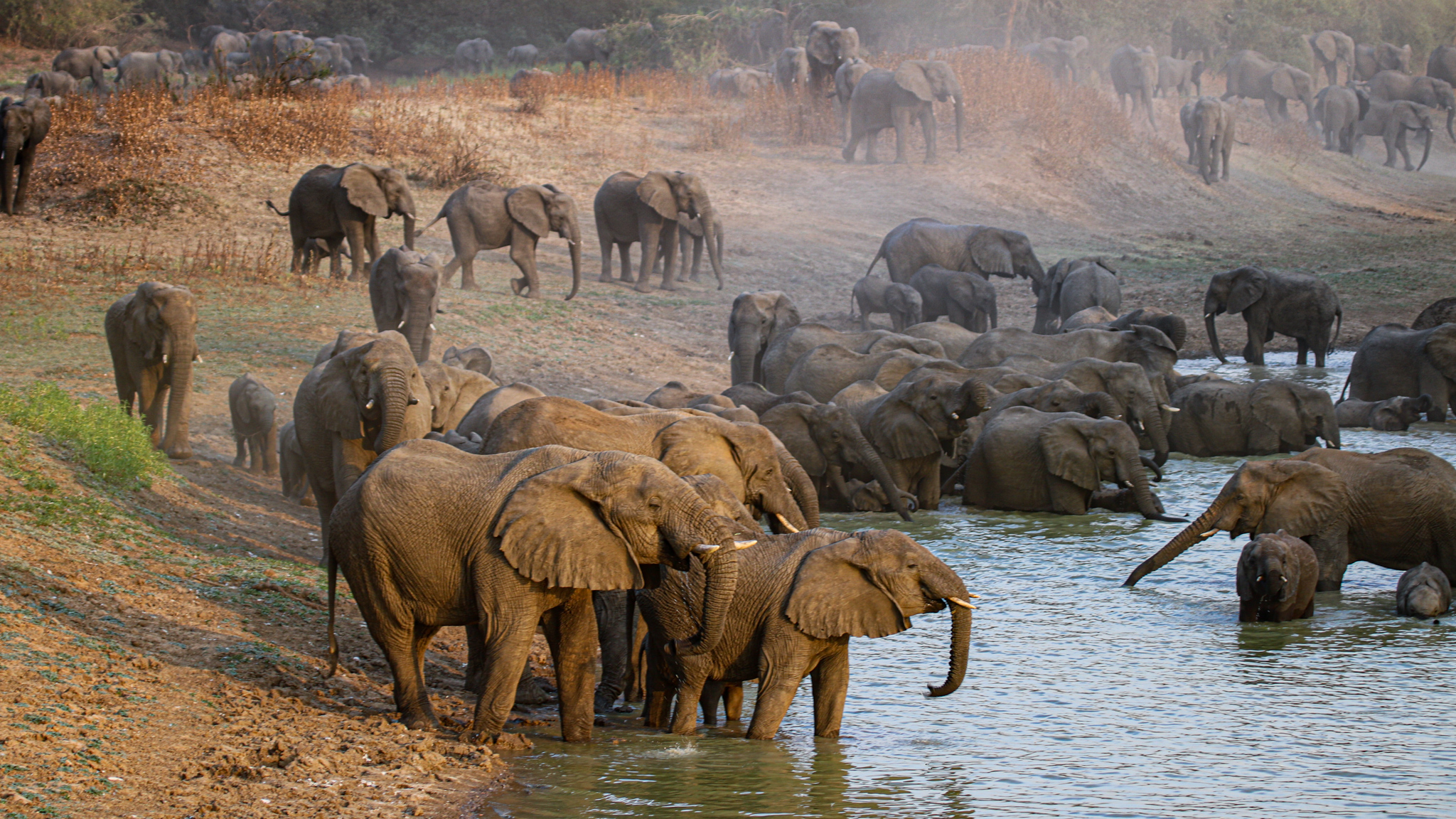
We’ll arrive in Zakouma and settle into the tented camp. Zakouma National Park in southeastern Chad is a remarkable conservation success story and one of Africa's premier wildlife destinations, covering about 3,000 square kilometers of savanna, floodplains, and seasonal wetlands just south of the Sahara; managed by African Parks since 2010, it has rebounded dramatically from heavy poaching, now offering incredible game viewing with huge herds, calm animals, and night drives.
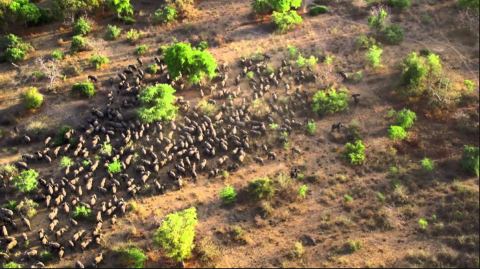
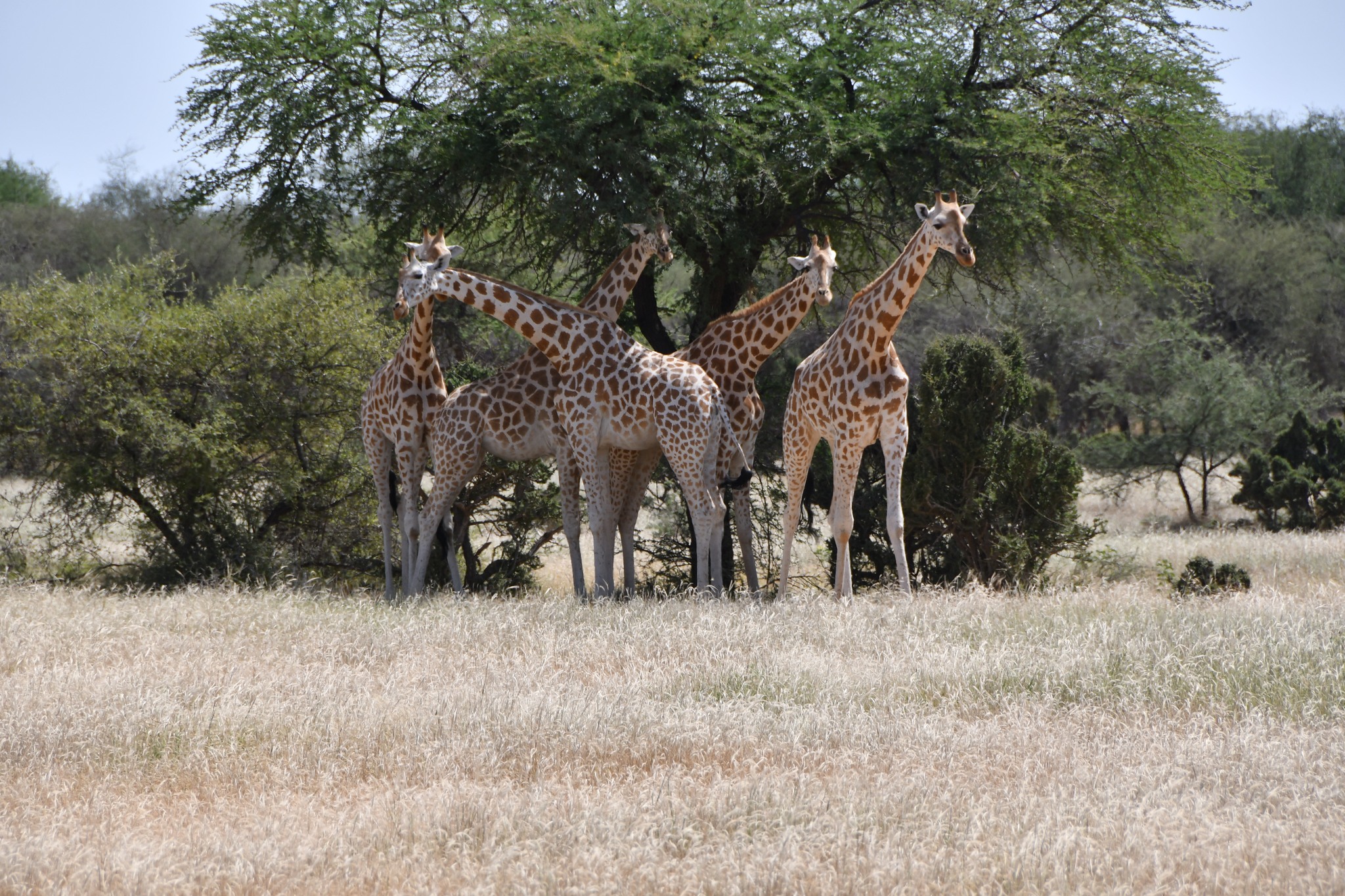
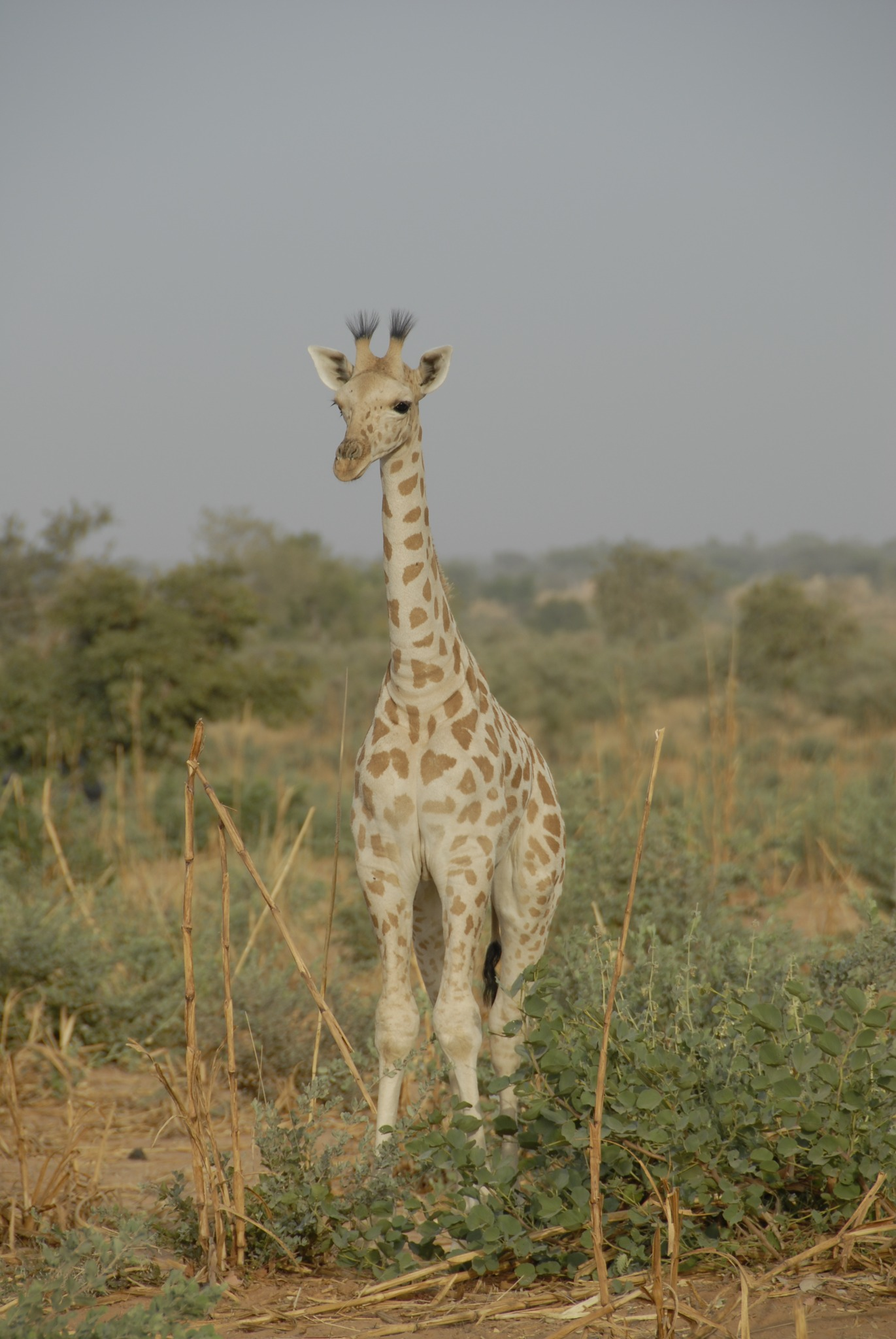
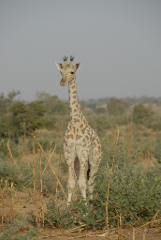
During your safari in Zakouma you will see the largest herds of African elephant in the continent, Central African savanna buffalo (groups of thousands of buffaloes), Kordofan giraffe (very common and a major highlight), warthog, various antelopes like tiang, roan antelope, greater kudu, Defassa waterbuck, oribi, Bohor reedbuck, and kob.
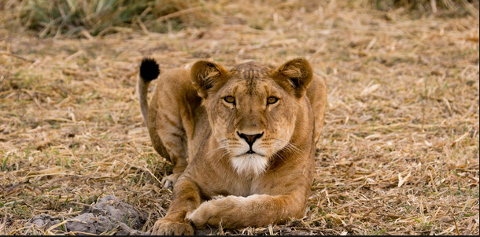
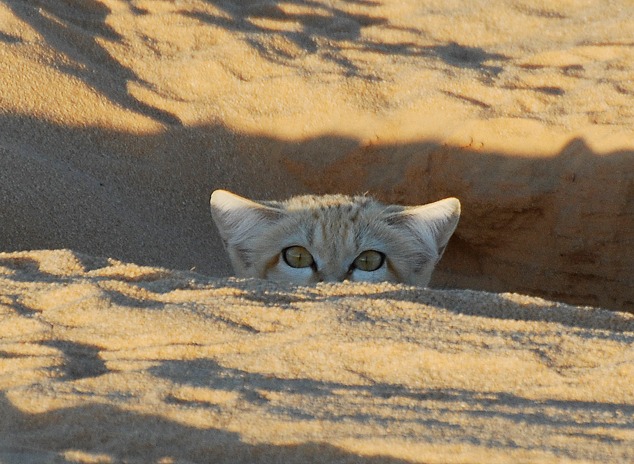
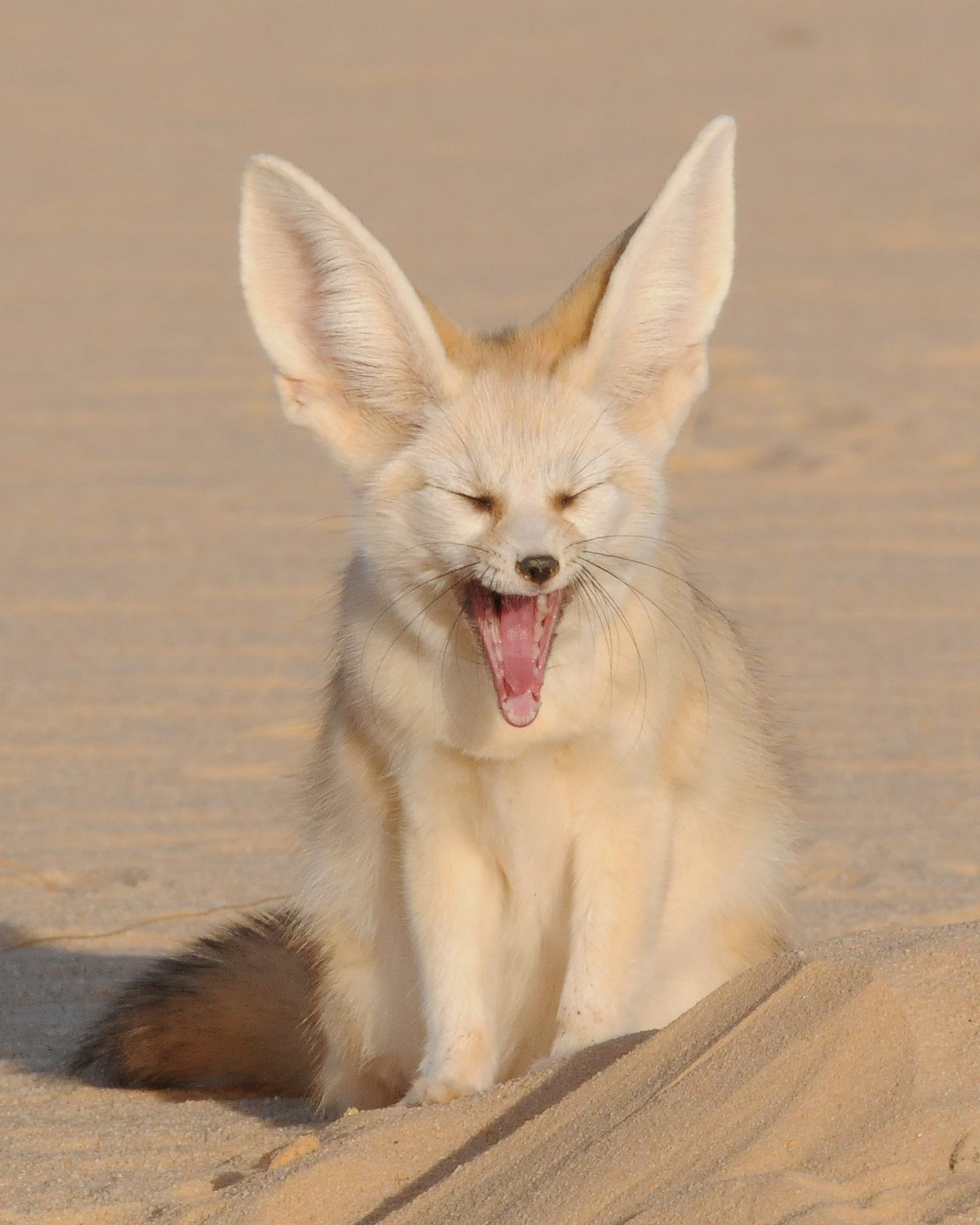
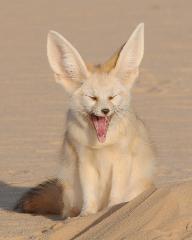
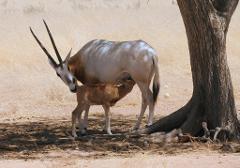
Black rhino were recently reintroduced but are hard to spot. Other elusive mammals are the north-east African cheetah, lion (increasing but still hard to spot), leopard, pale fox, serval, caracal, aardvark, wild cat, scimitar-horned oryx, addax and more
Some birds to look out for are the white and pink-backed pelicans, yellow-billed stork, marabou stork, saddle-billed stork, grey heron, great egret, cattle egret, black crowned crane, spur-winged goose, knob-billed duck, African fish eagle, black kite, red-billed quelea (in massive flocks), red-throated bee-eater, various starlings like long-tailed and greater blue-eared, sunbirds, black-headed gonolek and much more.
Some rarer and harder to spot bird species are Beaudouin's snake eagle, Sahel paradise whydah, black scrub-robin, bearded barbet, little grey woodpecker, black-breasted barbet, Niam-Niam parrot, sun lark, red-pate cisticola, purple starling, Gambaga flycatcher, Heuglin's masked weaver, black-rumped waxbill, Arabian bustard etc.
Day 10 - 11 - 12: Safari at Zakouma National Park
Three full days of safari in the park centered around mornings and late afternoon - evening drives for the best observations. Overnight at tented camp.
Day 13: Zakoua - Mongo - Bitkine
We’ll be crossing Mount Guerra, with its population of Hadjeré, like the Dogon of Mali, who abandoned the mountains to return to the plains and practise their main activity farming. Overnight in tents.
Day 14: N’Djamena
Via Massaguet, we arrive in N’Djamena in the late afternoon, transfer to the hotel for a room with a shower, followed by transfer to the airport if you have an evening flight.
Included:
- Transportation by 4x4 with experienced driver
- Guiding
- Cook
- Tent with mattress (please bring sheets and pillow)
- Meals and mineral water
- Park entrance fees
The best time to visit Chad to see mammals
“Had a great tour though a hot 40c plus day interesting stuff do it so hard here but infrastructure on the move guide Guedbe was good and his driver Issacka helpful was worth it onto Djibouti and other adventures for a few more weeks so many thanks can recommend you guys all the best regards.”
- Harri and Margarent Kent